
The Myth of the “Natural” Coach
Every week I meet someone who wants to be an executive coach. They’ve read The Coaching Habit or watched a few TED Talks and think asking, “What’s holding you back?” is the secret to unlocking greatness.
It’s not.
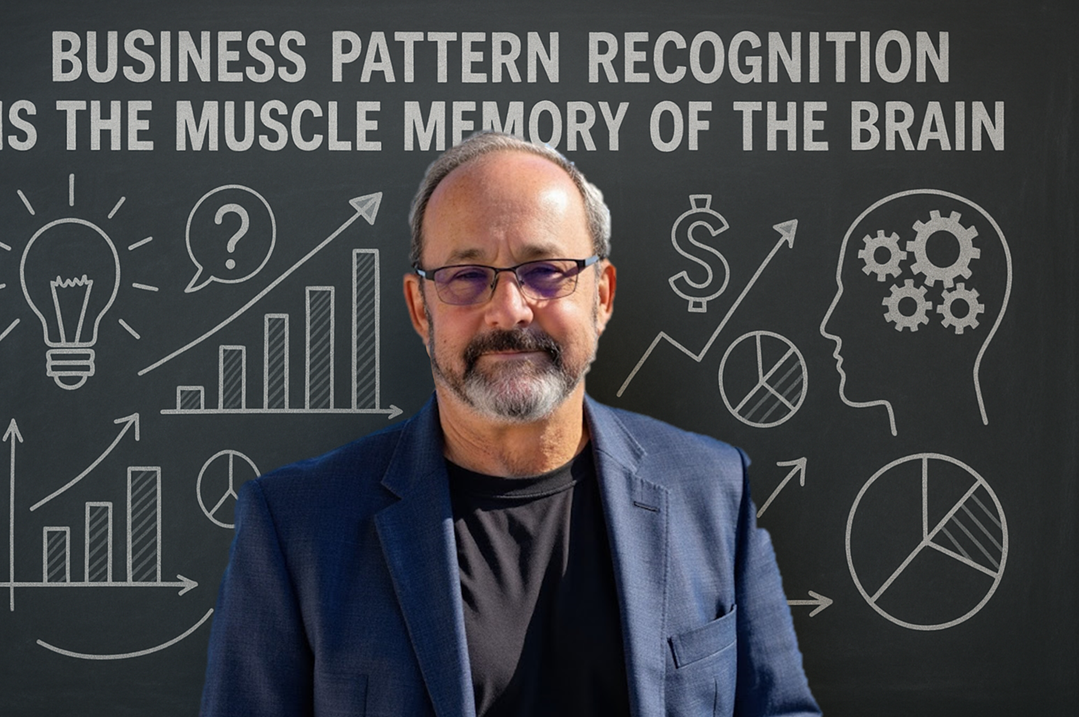
Coaching is not a parlor trick. It’s not about platitudes or parroting someone’s self-help podcast. Coaching is pattern recognition — the muscle memory of the business brain. It’s knowing when a company is about to faceplant before the founder sees the pavement coming.
The Power of Business Pattern Recognition
You don’t learn business pattern recognition in a weekend certification course. You earn it by living through 2 a.m. product launches, investor boardroom showdowns, and payroll Fridays where the math doesn’t add up.
Good coaches don’t just ask clever questions — they see patterns.
They recognize when a “pivot” is really a panic.
They spot when “vision” is code for “I have no customers.”
They know that silence in a board meeting isn’t consensus — it’s the sound of political knives being sharpened.
That recognition comes from experience. Real experience.
Have you built a startup? Raised capital? Pitched VCs who smiled while sharpening their rejection emails?
Have you navigated the minefield between visionary founders and skeptical investors?
Led teams through red-ocean chaos into blue-ocean clarity?
If not — you’re coaching from a textbook, not from the trenches.
Experience Without Ego
But here’s the trick — experience alone doesn’t make a great coach. It just gives you the raw material. What separates an effective coach from a frustrated ex-CEO is humility — the ability to use that pattern recognition without dictating the playbook.
Because when you tell a client what to do, you rob them of ownership.
When you lead them with questions that illuminate their own solution, you empower them.
People have a much higher probability of executing a plan they built themselves — or better yet, one they believe they built themselves. That’s the real magic. Guiding someone, through thoughtful questions, toward a conclusion that feels like theirs — even though you knew the answer ten minutes ago.
That’s coaching, not consulting. It’s the art of strategic midwifery — delivering ideas without leaving your fingerprints.
Why Experience Still Matters
To ask the right questions, you need to know what good answers look like.
Pattern recognition helps a coach steer conversations without steering the client. It’s the difference between leading and misleading.
An experienced coach understands how to nudge the thought process toward viable ground without yanking the wheel. They know when to let silence do the heavy lifting, and when to drop a question that detonates insight like a truth bomb.
It’s not manipulation. It’s mentorship with a compass calibrated by experience.
The Bottom Line
If your coach hasn’t lived the life you’re living, how can they guide you through it?
And if your coach can’t resist telling you what to do, how can you ever take ownership of the doing?
The best coaches don’t hand you a map — they help you build one.
That’s how you create lasting, confident leaders — not dependent followers.
Call to Action
If you’re a CEO, founder, or executive who’s tired of canned advice and wants a partner who knows the terrain — let’s talk. Schedule a free consultation. Together, we’ll turn experience into insight, and insight into action — all powered by your own clarity, not someone else’s script.

